Feeling tense or overwhelmed? Natural anxiety relief offers non-drug, at-home options that ease everyday worry and build coping skills. These approaches include herbal remedies, targeted supplements, breathing and relaxation exercises, sleep and diet adjustments, regular movement, and structured treatments such as cognitive behavioral therapy. They work best for mild-to-moderate symptoms or brief situational stress; if anxiety affects work, relationships, sleep, or safety, arrange clinical assessment promptly.
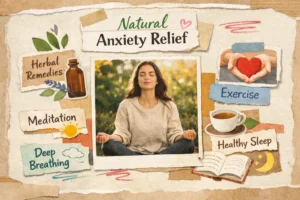
What you need to know
Quick overview: natural anxiety relief means non-pharmacologic, at-home methods such as herbs, supplements, breathing, sleep, movement and skills-based therapies for mild-to-moderate symptoms. Among supplements, ashwagandha has the strongest randomized-trial and meta-analysis support, though it carries contraindications you should check. Behavioral steps such as CBT, regular exercise, consistent sleep, and brief breathing practices deliver the most durable benefit and often pair well with safe supplement use.
What natural anxiety relief means and who it helps
Set realistic expectations: mild-to-moderate symptoms often respond to combined lifestyle and supplement strategies, while severe anxiety disorders generally require professional treatment. Watch for red flags such as panic attacks that impair functioning, suicidal thoughts, or rapid declines in daily life, and prioritize prompt clinical assessment in those cases. Used safely and intentionally, natural options can reduce symptoms and give you time to arrange further care.
8 effective methods
- Cognitive behavioral therapy (CBT) and guided psychological therapies
- Regular aerobic exercise and movement routines
- Consistent sleep hygiene and stable sleep–wake schedules
- Breathing, relaxation, and mindfulness practices
- Ashwagandha standardized extracts (with safety checks)
- Other herbal options for short-term relaxation, such as lavender, chamomile, and valerian
- Targeted nutrients and supplements, for example magnesium and L-theanine
- Dietary adjustments and broader lifestyle habits (Mediterranean-style eating, limited caffeine)
Proven option: ashwagandha and what the trials show
Several randomized trials and meta-analyses report reductions on validated anxiety scales with ashwagandha; some pooled analyses show moderate-to-large effects. Reviews note differences among studies and small sample sizes, so findings are promising but not conclusive. For natural anxiety relief, ashwagandha is among the better-supported supplement options in current trial data (see a systematic review and meta-analysis).
Typical clinical trials used standardized extracts around 300 mg twice daily, roughly 500 to 600 mg per day in many products. Benefits can begin by two weeks, with larger gains by six to ten weeks; most trials lasted about eight weeks and safety data are strongest for short-term use up to roughly three months. Ask a clinician about dose and duration, especially if you plan longer-term use (for general consumer guidance, see WebMD’s ashwagandha overview).
Reported side effects are usually mild, including stomach upset, loose stools, and drowsiness, though rare cases describe liver injury and changes in thyroid function. Stop the supplement and seek care for jaundice, severe abdominal pain, persistent extreme drowsiness, or allergic reactions. People with liver disease, certain thyroid or autoimmune conditions, pregnant or breastfeeding individuals, and those taking sedatives, diabetes drugs, or blood pressure medicines should consult a clinician before starting.
Other herbal and supplement options: benefits, limits, and major risks
Many herbal products aim to promote calm or sleep, but their evidence and safety profiles vary. Some provide short-term relaxation or sleep support, while others carry risks that limit routine use. The summaries below help weigh trade-offs when choosing natural remedies for anxiety.
Kava can produce noticeable short-term calm yet raises serious safety concerns. Regulatory agencies have linked kava to cases of hepatitis and liver failure, and it increases sedation with benzodiazepines, opioids, alcohol and several antidepressants; it also interacts with drugs metabolized by CYP enzymes. Because of those risks, kava should be avoided by people with liver disease and by anyone taking interacting medicines unless under medical supervision (see the FDA safety communication and WebMD’s kava overview for further details).
Lavender, chamomile, and valerian have long traditional use for relaxation and sleep and are commonly consumed as teas, inhaled oils, or standardized oral products. The clinical evidence does not show consistent, high-quality trial support for anxiety reduction across these herbs, so treat them as low-intensity options with mixed results. If you try them, prefer familiar formats such as tea for short-term relief or standardized extracts for consistent dosing, and track benefit and side effects over several weeks.
Magnesium and L-theanine have plausible calming mechanisms and are widely used for sleep and stress, but high-quality meta-analyses specifically showing consistent anxiety reduction are limited. Start with conservative, product-label doses and discuss possible interactions with a clinician before long-term use. When shopping, favor products with independent testing seals and clear labeling to avoid hidden ingredients.
Look for independent testing seals such as USP, NSF, or ConsumerLab and prefer standardized extracts that list a percentage or milligrams of the active compound for reliable dosing. Avoid undisclosed proprietary blends, absolute claims like “cures anxiety,” or products that hide stimulants and unusual excipients. These checks reduce risk and make it easier to judge whether a product is helping.
Lifestyle and behavioral approaches with the strongest evidence
Cognitive behavioral therapy is the treatment with the best evidence for persistent anxiety and should be first-line when symptoms interfere with daily life. CBT teaches cognitive restructuring to weaken unhelpful thoughts, graded exposure to reduce avoidance, and relapse-prevention strategies that last. To expand access, stepped care can begin with guided self-help or digital CBT and escalate to weekly therapist sessions if needed. For foundational information and practical basics, see Mental Health Basics, Mind Care Tips.
Pairing CBT with regular exercise and consistent sleep improves outcomes, so include movement and sleep hygiene in your plan. Aim for about 150 minutes per week of moderate aerobic activity or snackable sessions of 20–30 minutes most days; beginners can start with short brisk walks and gradually increase. A simple starter week you can try right away looks like this:
- Mon: 20-minute brisk walk after work
- Tue: 15-minute gentle yoga or mobility session
- Wed: 30-minute bike ride or brisk walk
- Thu: 20-minute walk plus two 5-minute bodyweight sets
- Fri: 20-minute interval walk or light jog
Mindfulness-based programs such as MBSR and MBCT reduce anxiety and typically run eight weeks, though short daily practices help. Try a 10-minute micro-practice: sit comfortably, take ten slow breaths counting five on the inhale and five on the exhale, then scan your body for tension and release what you can. Repeat this daily to reduce reactivity and strengthen attention.
Sleep, diet, and small daily rituals add up to noticeable changes in calm. Favor a Mediterranean-style pattern of whole foods, limit caffeine after midday, reduce late-night screens, and keep consistent sleep and wake times to stabilize mood. These habits pair well with brief breathing exercises and moderate exercise.
Safety first: interactions, pregnancy, and red flags
Herbal products can interact with prescription medicines in important ways. Kava increases sedation when combined with benzodiazepines or opioids and can inhibit CYP enzymes, raising levels of other drugs. Ashwagandha may augment sedatives and affect blood glucose and blood pressure medications, so review all supplements with a pharmacist or clinician before combining them with SSRIs, benzodiazepines, anticoagulants, diabetes drugs, or blood pressure medicines.
Pregnant and breastfeeding people and young children need extra caution because safety data are often missing or negative. Several herbs are commonly flagged for avoidance during pregnancy and lactation, including ashwagandha and kava, and concentrated sedative preparations are frequently discouraged. Do not self-prescribe herbal remedies in pregnancy or for young children without advice from an obstetrician or pediatrician.
Liver disease and allergic reactions are important reasons to stop a supplement and seek care. If you notice yellowing of skin or eyes, dark urine, unusual bleeding, severe abdominal pain, or sudden worsening of symptoms, stop the product and contact a clinician. People with known liver disease should avoid kava and use caution with other botanicals; consider liver function testing if symptoms arise or if you plan long-term use.
Apply these safety checks before starting any supplement, then plan follow-up with a clinician if you continue use beyond a few weeks. The following section offers a practical four-week starter plan to put safe, evidence-aligned options into action.
A 4-week starter plan: choose, try, track, and when to step up
Begin by choosing two to three complementary options you can stick with: one supplement, one movement habit, and one daily relaxation practice. A common combination is ashwagandha (if there are no contraindications), brisk walking or gentle yoga, and 10 minutes of paced breathing or mindfulness. Base choices on current medications, liver or pregnancy status, and personal preference to improve adherence.
Keep simple metrics and follow a week-by-week schedule. Week 0: record baseline scores with a short screener such as the GAD-7 or a daily symptom journal and note sleep and all medications. Weeks 1–2: start the movement and relaxation routine; if you choose ashwagandha, begin about 300 mg twice daily and log any side effects. Weeks 3–4: continue habits, re-measure your scores, and decide whether to adjust; if there is no clear benefit by week 4 to 8, plan a clinician review.
If you prefer supervised support, integrative care that pairs evidence-aware herbal planning with counseling and medication review can help. A clinician-led approach checks for interactions, personalizes dosing timelines, and combines CBT or guided mindfulness with supplement choices so you are monitored rather than experimenting alone. Seek emergency care immediately for worsening symptoms, suicidal thoughts, or severe side effects such as jaundice or breathing difficulty, and step up to formal CBT, psychiatric assessment, or medication review if there is no meaningful improvement after 4–8 weeks.
Find calm with practical, gentle steps
Natural anxiety relief emphasizes simple, non-drug tools you can use to ease worry and restore balance: short breathing exercises, consistent sleep habits, light movement, and mindful sharing of feelings all help. Supplement evidence is mixed, but randomized trials and meta-analyses place ashwagandha among the better-supported herbal options when used with appropriate safety checks. Combine short daily practices with informed supplement choices, monitor how you feel, and consult a clinician when in doubt. For additional guides and resources, see Stress & Anxiety Relief, Mind Care Tips and visit Mind Care Tips for more articles.